Mesolithic Resource Group

Exploring the technologies, skills, and lifeways of our prehistoric ancestors.

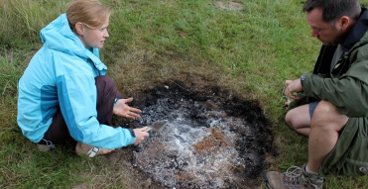
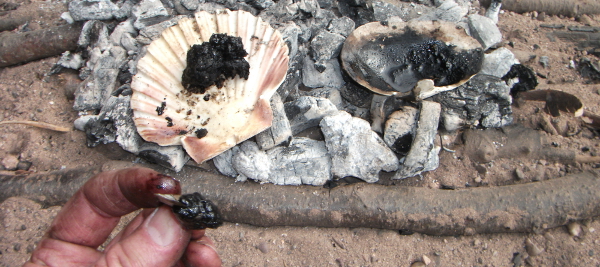
Birch bark tar experimental archaeology

Experimental archaeology

Experimental Archaeology brings the past to life through hands-on, controlled experiments. By recreating ancient technologies and processes in realistic circumstances, we gain deeper insight into how prehistoric communities lived, worked, and adapted to their environments.

Our approach combines modern research methods with nature-based skills, allowing us to explore everything from resource procurement to tool-making and everyday life. This methodology helps visitors, students, and researchers to better interpret archaeological evidence, understand ancient technologies, and to appreciate the resourcefulness of early peoples.

Primitive skills

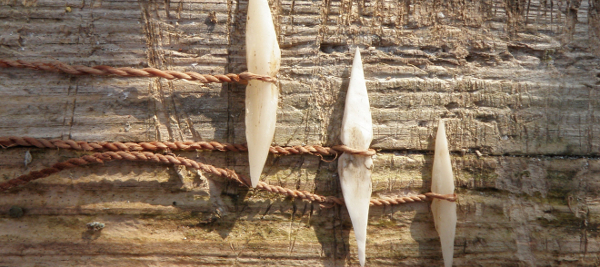
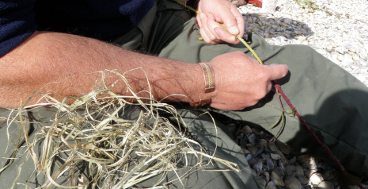
Primitive skills are rooted in an understanding of the natural environment and learning to use its resources responsibly. These ancient nature-based skills include bushcraft, foraging, and a wide range of traditional crafts.

By using these skills, we explore the techniques that prehistoric communities relied on to gather resources, make tools, and create the objects essential to daily life.

These activities help modern learners connect with the creativity, adaptability, and environmental knowledge of our ancestors.


Novels by Dr Peter Groom

Based on the latest archaeological research, these novels are packed full of Natural History, Bushcraft and Primitive Skills. The stories are set during the Mesolithic, some 8000 years ago in the area that now comprises North Staffordshire, Cheshire, Merseyside, the Wirral and the edge of the Clwydian Range.
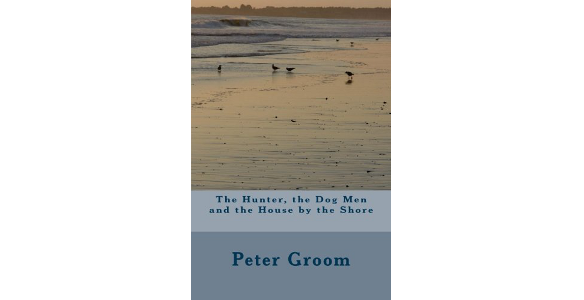
The Hunter, the Dog Men and the House by the Shore book cover

The Hunter, the Dog Men and the House by the Shore

The Hunter series, book one.

A lone Mesolithic hunter works his way through a diverse and changing landscape, encountering a range of characters; from traders to killers and ultimately meeting his new mate. The landscape of what is now Staffordshire and the Trent valley provide the backdrop against which this story unfolds. Join him as he travels through this vivid landscape where aurochs, elk, wolf, lynx and wild boar roam.
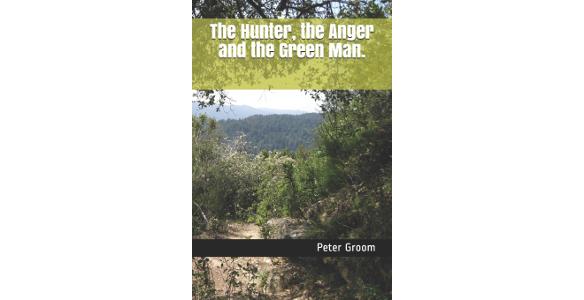
The Hunter, the Anger and the Green Man book cover

The Hunter, the Anger and the Green Man

The Hunter series, book two.

The novel builds on the first book in the series, by continuing the story of the Hunter and Golden Woman. Living through a changing climate in a changing landscape while coping with external and internal conflicts. With an emphasis on seasonality and spirituality The Hunter, the Anger and the Green Man takes the reader into a time when the people were a part of nature, rather than apart from nature.
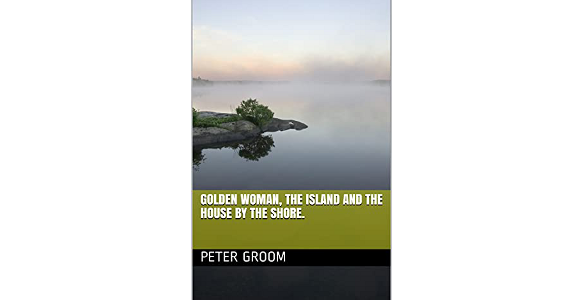
Golden Woman, the Island and the House by the Shore book cover

Golden Woman, the Island and the House by the Shore

The Hunter series, book three.

Influenced by our existing archaeological knowledge, personal research and experimental archaeology, this, the third novel in the Hunter series, continues the story of the prehistoric communities, which are set some 8000 years ago. A lone Mesolithic traveller seeks and creates her own place in a changing environment. A fluid landscape full of wildlife and a range of characters.
Enquiries or questions?

Please contact us at peter@mesolithic.org.uk

Get involved with the Mesolithic Resource Group

Find out about the workshops we offer, the people in the team, and our experiential teaching.

School education bushcraft archaeology days

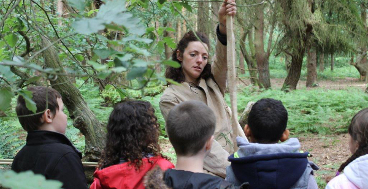
Education days

We work with schools, colleges, universities, museums, and youth groups to deliver experiential learning packages suitable for curricular or extra-curricular activities.

Practical workshops

Ready to roll up your sleeves and try ancient skills first-hand? We offer bespoke workshops in a wide range of primitive skills and ancient technologies, together with tailor-made packages to suit your interests or research.

Peter Groom and Tine Schenck

Our experts

The Mesolithic Resource Group was founded in 2006 by Dr Peter Groom and Dr Tine Schenck, both experienced Experimental Archaeologists. Their work spans research, teaching, and the practical application of ancient skills across northern Europe and beyond.